Red Light Therapy Works. The Marketing Doesn't.
The science behind red light therapy is real. The consumer market has stretched every fact until it's unrecognizable.
Search "red light therapy" on Instagram and you'll find claims about testosterone, fat loss, anti-aging, sleep, cancer, and wound healing. All from a $300 LED panel mounted in someone's bathroom.
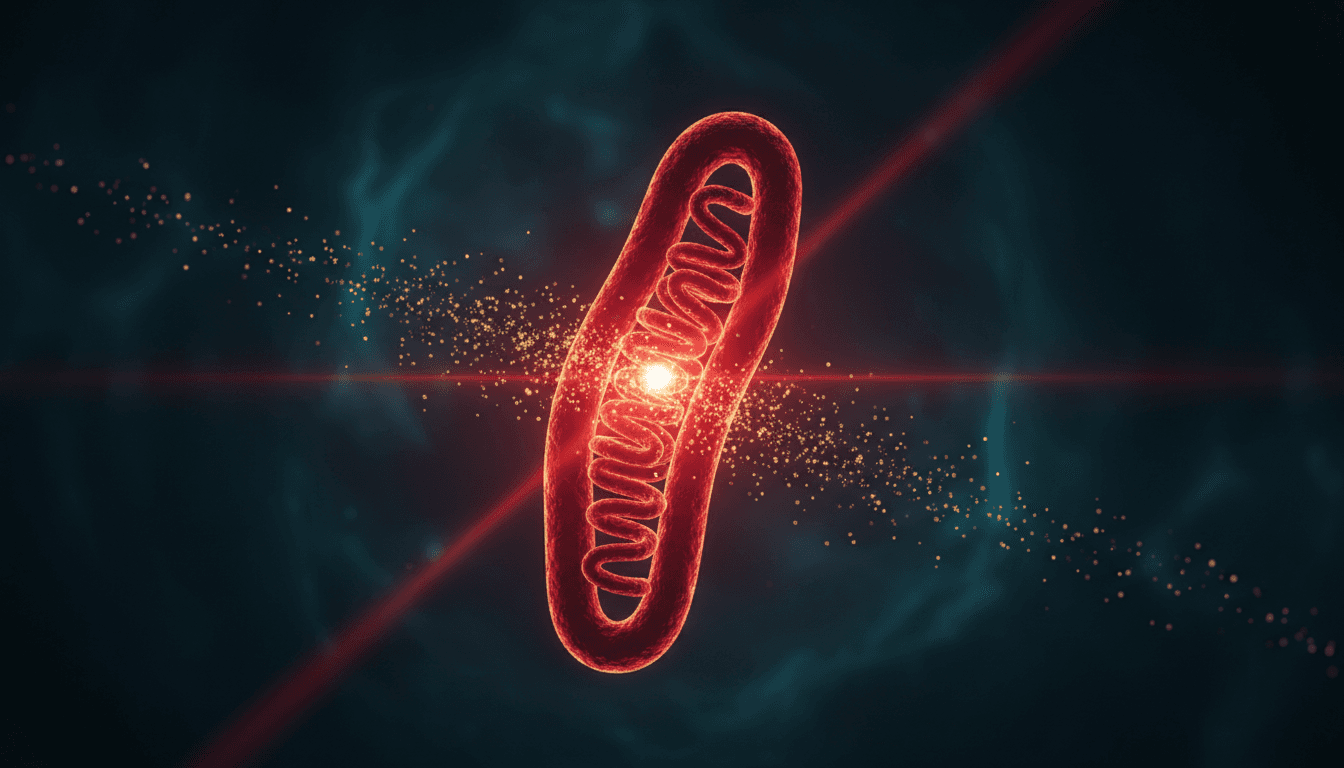
The mechanism is real. Cytochrome c oxidase absorbs photons, releases nitric oxide, boosts ATP production. Hamblin's 2017 review (opens in new tab) mapped the entire downstream cascade. That part isn't controversial. The problem is what happened between "real mechanism" and "buy this panel to fix everything."
The Dose Nobody Gets
Clinical studies that show actual benefits use medical-grade devices delivering calibrated doses at specific wavelengths, at defined distances, under clinical supervision. Consumer panels are not these devices.
The gap is enormous. Clinical irradiance: 10-200 mW/cm² at the tissue. Budget consumer panels at treatment distance: sometimes 1/10th to 1/100th of that. Wavelength accuracy drifts with LED manufacturing tolerances. Some panels have dead zones where LEDs cluster unevenly. Power output degrades as components age.
A clinical trial showing thyroid antibody reduction used precise medical-grade equipment and dosing protocols (opens in new tab). A consumer standing in front of a $500 panel for 10 minutes at 12 inches is not replicating that trial. The mechanism is the same. The dose isn't even close.
Where Marketing Outran Evidence
Testosterone. This is the big one in the biohacker space. Studies exist showing red light applied to the testes increases testosterone production. Most are in animals. The human studies are small and preliminary. "Boost your testosterone with red light" is not a claim the current evidence supports. But it's plastered on every other ad targeting men.
Weight loss. Some research shows red light causes fat cell membranes to become temporarily permeable, releasing stored triglycerides. The clinical significance? Unclear. No well-designed trial has demonstrated meaningful weight loss from red light alone. The before-and-after photos you see on product pages are doing a lot of heavy lifting.
Sleep. The proposed mechanism is plausible. Red light may influence melatonin production through circadian pathways. But "plausible mechanism" and "proven treatment" aren't the same thing. A few small studies show modest effects. That's it.
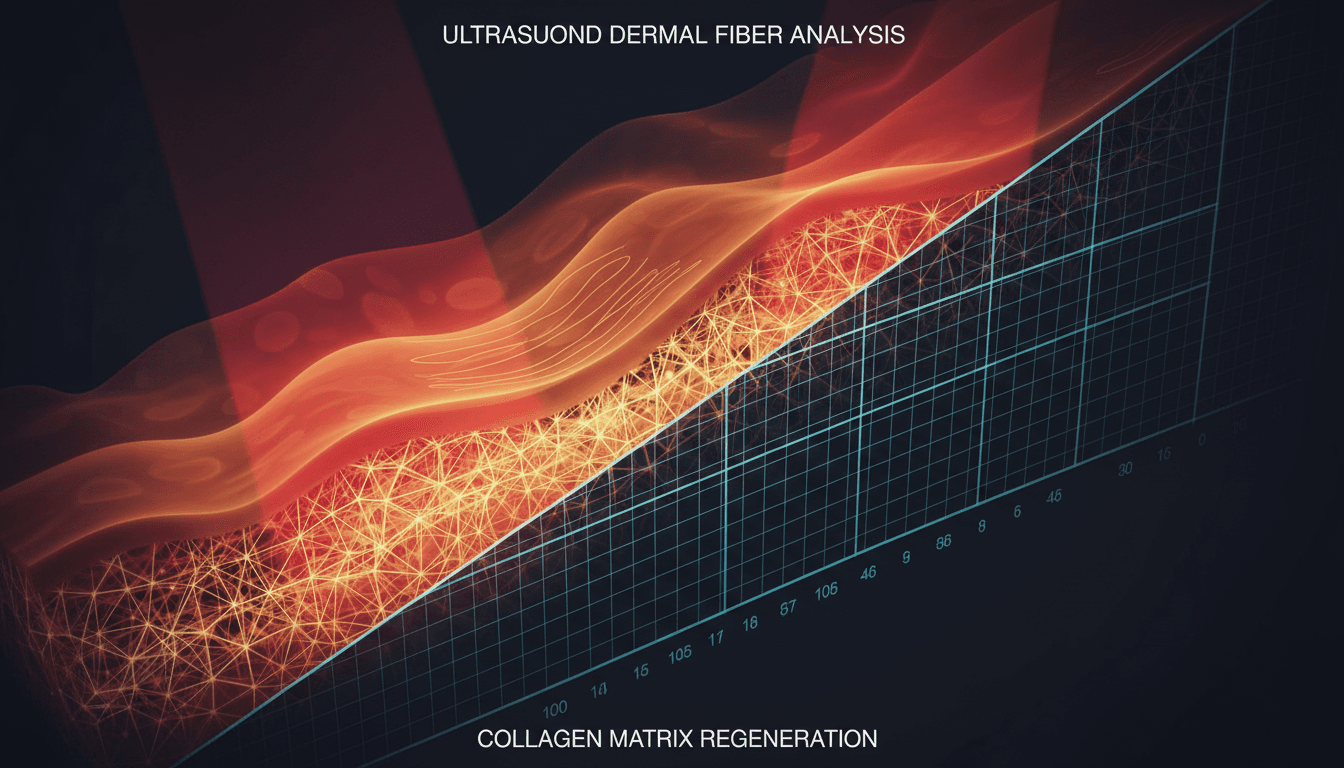
Systemic anti-aging. Skin improvement has strong evidence. Wunsch and Matuschka's 2014 controlled trial (opens in new tab) showed measurable collagen density improvements. But claims about "reversing aging at the cellular level throughout your whole body" extrapolate far beyond what any study has demonstrated.
Cancer treatment. Some researchers have explored photobiomodulation's role in reducing cancer treatment side effects (mucositis, lymphedema from radiation). That's different from treating cancer. Claims about red light treating cancer itself aren't supported and can be actively dangerous if someone delays real treatment.
What the Evidence Actually Supports
Not everything is hype. The tiers look like this.
Strong clinical evidence (multiple randomized controlled trials, independent replication): skin and collagen improvement. Pain reduction, especially joint pain and rheumatoid arthritis. Hair growth for androgenetic alopecia. Lanzafame's 2013 trial (opens in new tab) showed significant hair density increases. REVIAN's 2023 clinical trials confirmed similar results.
Promising evidence (some RCTs, limited independent replication): transcranial photobiomodulation for cognition. Zhao et al. at the University of Birmingham (opens in new tab) found a 10% boost in visual working memory after a single 12-minute session. Thyroid function in Hashimoto's patients. A 2018 long-term follow-up study (opens in new tab) showed 47% of participants reduced their levothyroxine dose after photobiomodulation. Muscle recovery. Ferraresi and colleagues (opens in new tab) documented reduced creatine kinase levels and faster DOMS resolution. Eye health in aging retinas (Jeffery's work at UCL).
Preliminary or overhyped: testosterone, weight loss, sleep, broad systemic anti-aging, cancer treatment.
The pattern is clear. Applications where you can deliver a precise dose to a specific, accessible target (skin, scalp, joints, exposed muscle groups) have the strongest evidence. Applications where the target is deep, diffuse, or systemic have the weakest. That's not coincidence. It's physics.
The Honest Version
There's a real biological mechanism. The clinical evidence for skin, pain, and hair is established enough to act on. The brain, thyroid, and recovery evidence is promising enough to explore with realistic expectations. The testosterone and weight loss claims are marketing.
I've watched this same pattern play out in every recovery modality that goes mainstream. Real mechanism gets discovered. Studies confirm specific applications under specific conditions. Then the consumer market strips away every qualifier and sells it as a cure for everything.
The device you buy matters. The distance matters. The dose matters. The condition you're targeting matters. A $200 panel used casually at the wrong distance for the wrong duration with the wrong expectations won't replicate a clinical trial. That's not a failure of the science. It's a failure of the marketing ecosystem that makes these distinctions invisible.
Red light therapy works. For specific things, at specific doses, for specific conditions. That's not a sexy tagline. But it's the truth.
Sources
- Hamblin MR. "Mechanisms and applications of the anti-inflammatory effects of photobiomodulation." AIMS Biophysics, 2017. PMC5523874 (opens in new tab)
- Wunsch A, Matuschka K. "A Controlled Trial to Determine the Efficacy of Red and Near-Infrared Light Treatment." Photomedicine and Laser Surgery, 2014. PMC3926176 (opens in new tab)
- Zhao et al. "Transcranial photobiomodulation enhances visual working memory capacity." Science Advances, 2022. sciadv.abq3211 (opens in new tab)
- Jeffery et al. "Morning exposure to deep red light improves declining eyesight." UCL / Scientific Reports, 2021.
- Lanzafame et al. "The growth of human scalp hair mediated by visible red light laser and LED sources." Lasers in Surgery and Medicine, 2013. PubMed 24078483 (opens in new tab)
- Ferraresi et al. "Photobiomodulation in human muscle tissue." Journal of Biophotonics, 2016. PMC5167494 (opens in new tab)
- REVIAN clinical trial results for androgenetic alopecia, 2023.
- "Safety and Efficacy of LLLT in Autoimmune Thyroiditis: Long-Term Follow-Up." 2018. PMC6247385 (opens in new tab)
- "Photobiomodulation: A review of the molecular evidence." Journal of Plastic, Reconstructive & Aesthetic Surgery, 2021. ScienceDirect (opens in new tab)