Article Series
Deep-dive explorations. Each series is a multi-part journey through a single topic.
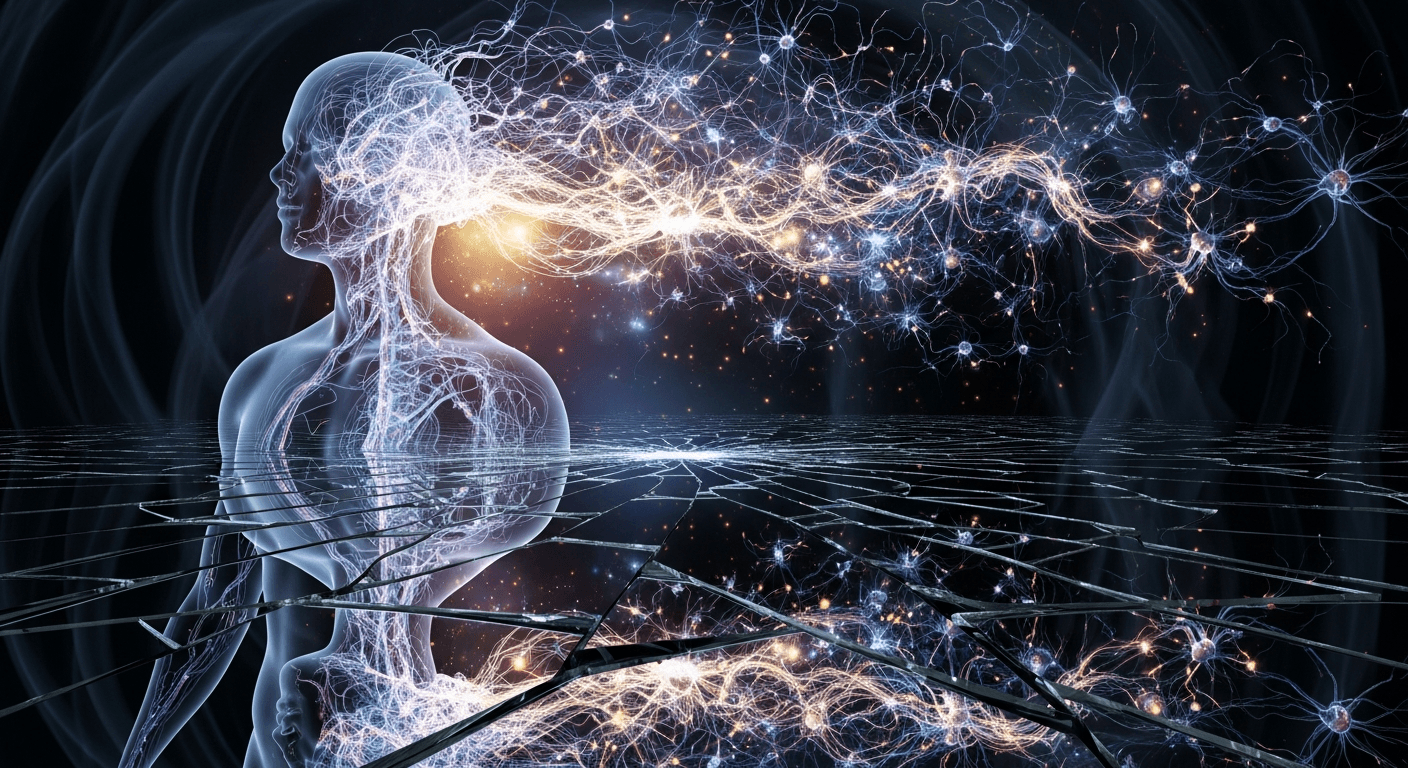
The Pain Illusion
Your brain doesn't feel pain: it creates it. Discover the shocking science behind chronic pain, phantom limbs, and why the best painkiller might be the one that hurts.
12 parts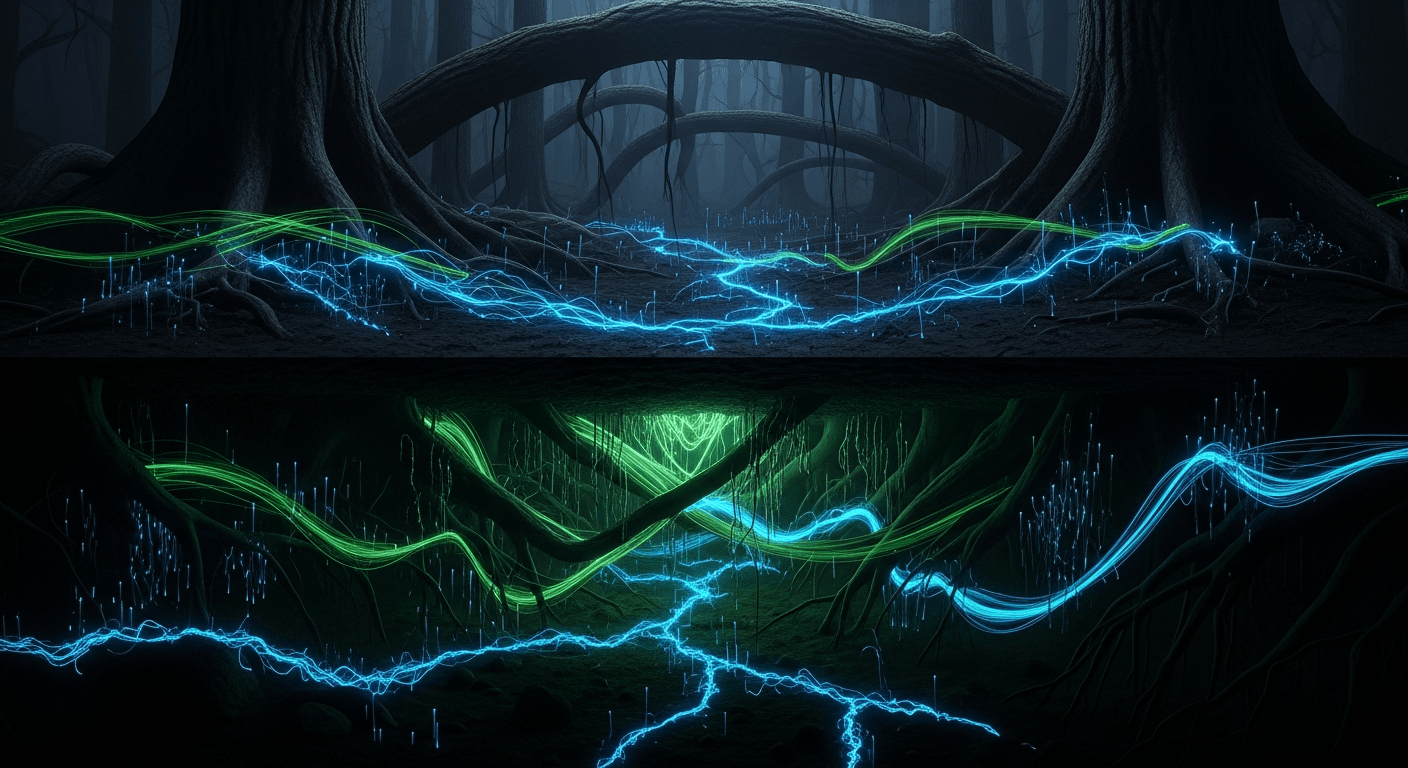
The Wood Wide Web
How trees secretly connect through underground fungal networks, and what happens when scientists, hackers, and climate change discover the same hidden web.
12 parts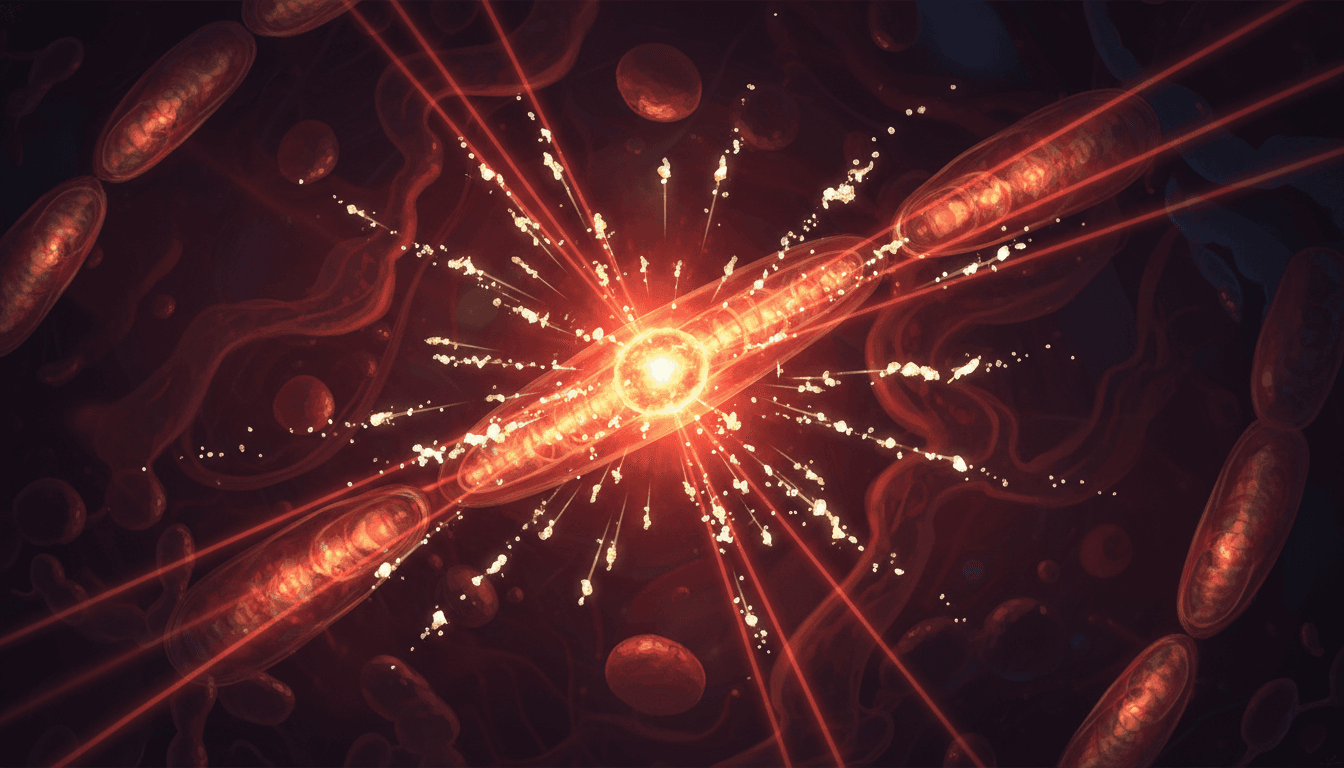
Red Light Therapy
The science of photobiomodulation, how specific wavelengths of red and near-infrared light interact with your mitochondria and why the clinical evidence is stronger than the marketing suggests.
10 parts
The Body Clock
How a tiny cluster of 20,000 neurons in your brain keeps time for every organ, and what happens when modern life breaks the clock that evolution built.
10 parts
The Practice Paradox
The science of learning is backward. Discover why forgetting helps you remember, failing beats studying, and doing worse in practice makes you master skills faster.
10 parts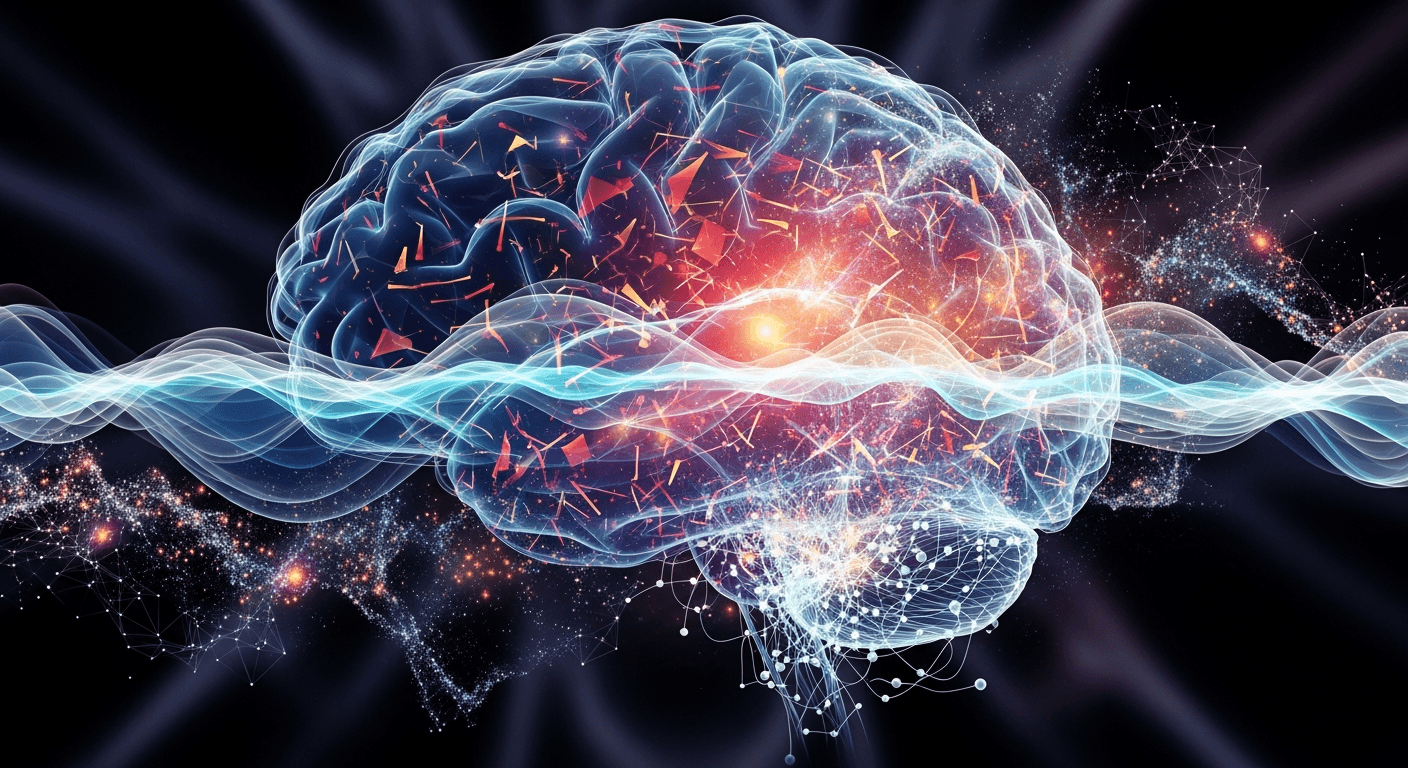
The Prediction Machine
Your brain isn't recording reality: it's inventing it. The Prediction Machine series reveals the neuroscience behind every perception, emotion, and decision you make.
10 parts
The Stress Paradox
A 10-part series revealing why stress isn't your enemy: it's your greatest untapped advantage for resilience, growth, and performance.
10 parts
The Rewrite
Every time you remember something, your brain rewrites it. Forgetting isn't failure. It's a feature. Nine articles on how memory actually works, what kills it, what trains it, and why it makes you who you are.
9 parts
The AI Explainer, Part 2: Inside the LLM
A large language model is not a brain, a search engine, or a database. It's a stack of mathematical layers shaped in three phases to predict the next token well enough that the result looks like thought. Part 2 opens the box.
6 parts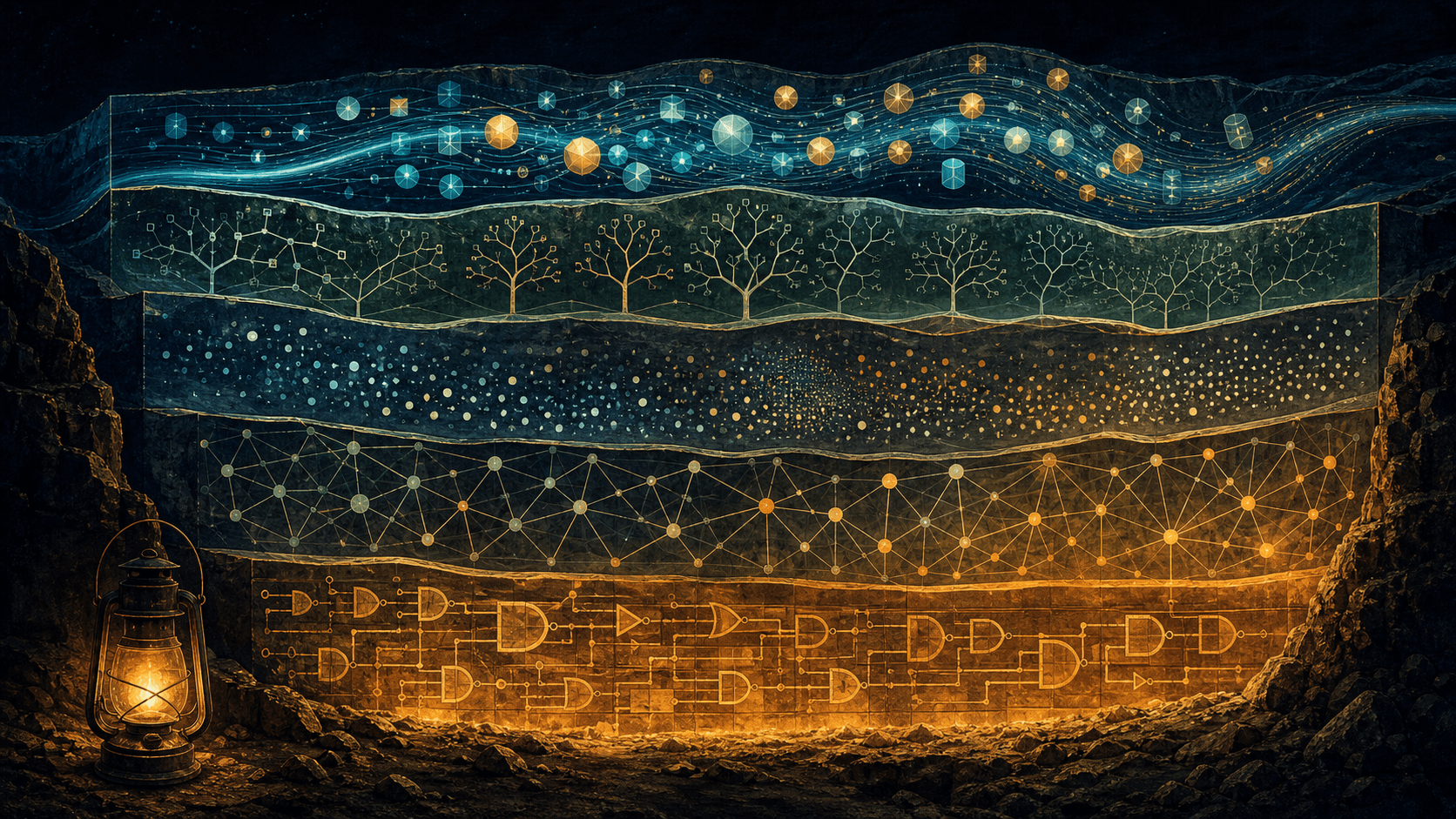
The AI Explainer, Part 1: Foundations
AI isn't one thing. It's a 70-year-old umbrella that has covered logic programs, expert systems, statistical learning, neural networks, and now LLMs. Part 1 builds the vocabulary from the ground up.
5 parts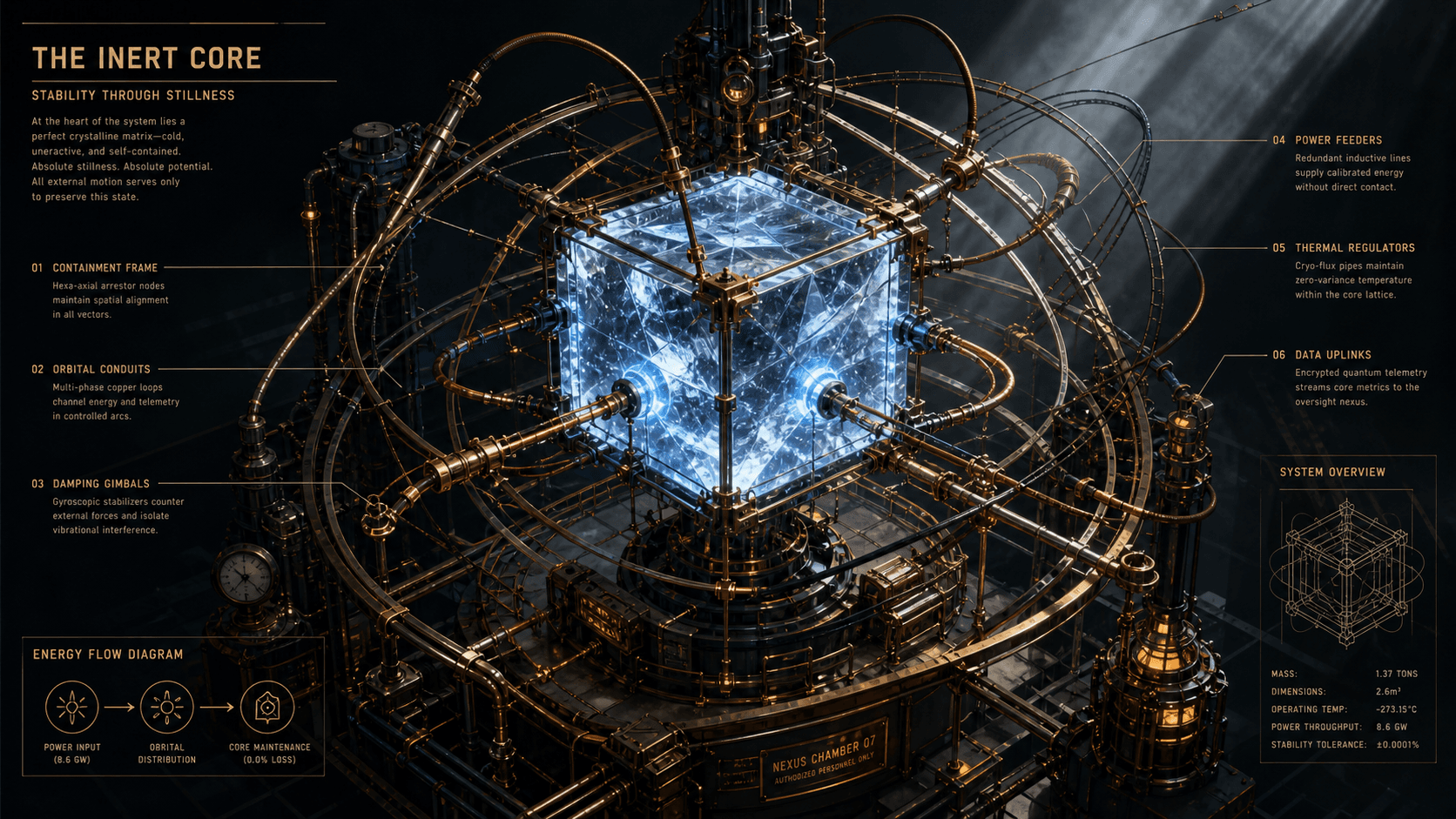
The AI Explainer, Part 3: Agents and Harnesses
The model is not the product. The product is the software system built around the model. Part 3 looks at the wrapping that does most of the work everyone calls 'AI.'
5 parts
AI for the People Who Run Things
Not another 'how AI works' series. This one is for the person signing the checks. What AI actually does for an owner-led business in 2026, where it quietly hurts you, and the one move that separates the owners who get value from the ones who get nothing.
3 parts
The Alia Crum Studies
A 3-part series on Stanford researcher Alia Crum's experiments showing that what you believe about your body (food, exercise, stress) changes what your body actually does.
3 parts
The Methylation Gap
Since 1998, synthetic folic acid has been in every loaf of bread in America. Up to 60% of people can't fully process it. The downstream effects reach your serotonin, your cognition, and the physical structure of your brain.
3 parts