Exploring tech & AI, business, philosophy, psychology, and health & wellbeing.
117 articles · page 5 of 7
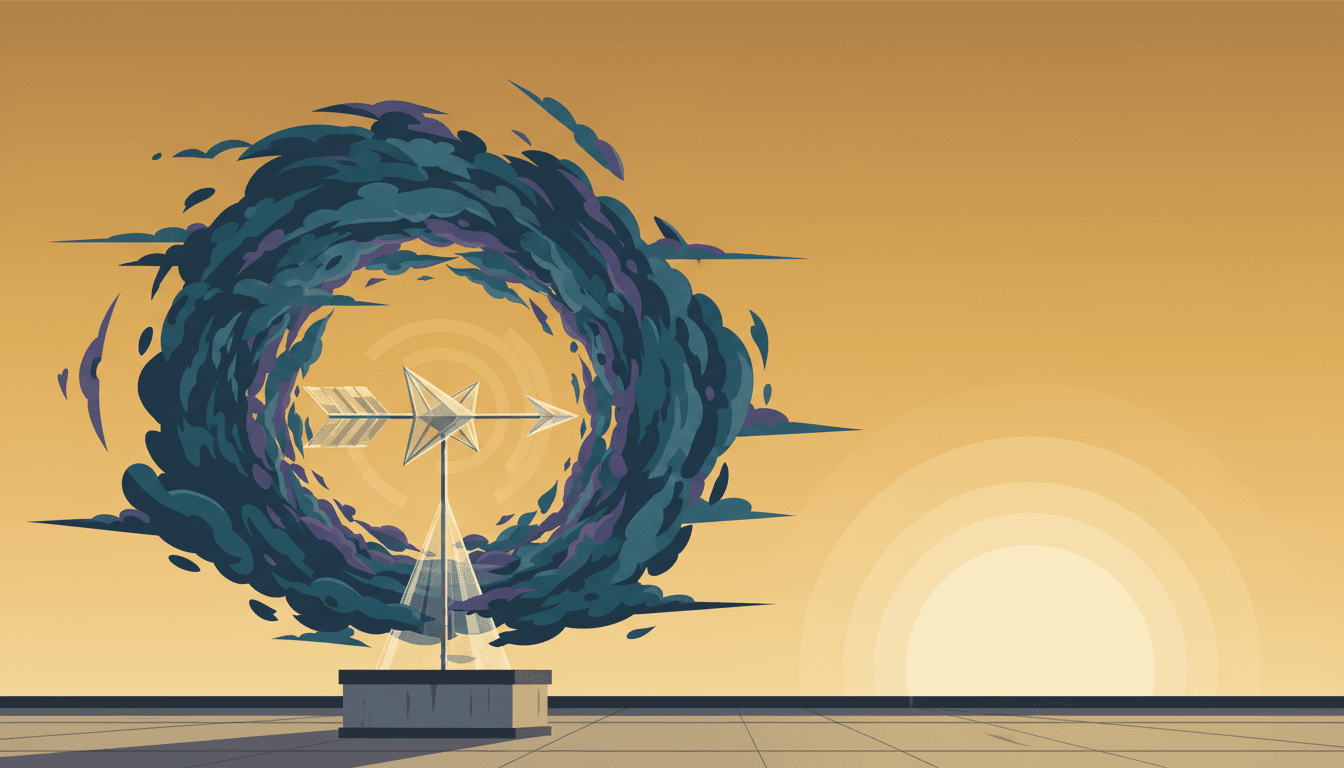
Predictive processing reframes anxiety not as excessive fear but as a miscalibrated prediction system, one that's stuck forecasting storms that never arrive.
The placebo effect isn't a trick. It's your brain's prediction engine rewriting your neurochemistry in real time.
Psychedelics don't add anything to your brain. They remove the predictions that constrain it. The REBUS model explains why that's therapeutic.
Attention isn't a beam that illuminates the world. It's a volume knob that controls which prediction errors your brain takes seriously.
Your sense of self isn't a soul or a core identity. It's a prediction your brain generates and updates in real time, just like everything else you perceive.
If your brain is a prediction machine, then changing your life means changing your predictions. The research points to specific mechanisms for doing exactly that.
A massive study found that believing stress is harmful increased mortality by 43%. But people with high stress who didn't hold that belief? They had some of the lowest death rates in the entire study.
The same stressor can trigger two completely different cardiovascular responses. The difference isn't the situation. It's how your brain appraises it.
For 80 years, stress research only studied men. When scientists finally included women, they discovered a second stress response that protects your heart. It activates through connection.
Alia Crum at Stanford showed that how you think about stress changes what stress does to your body. Not metaphorically. Measurably. At the hormonal level.
Hormesis is the biological principle that moderate stress triggers adaptive responses that leave you stronger than before. The damage from stress comes from chronic overload without recovery, not from stress itself.
The 1908 experiment that discovered optimal arousal still explains why your best work happens under pressure, and why eliminating all stress kills performance too.
Trying to calm down before a high-stakes moment is the wrong move. A Harvard researcher found that a single sentence reframe outperforms relaxation, and the physiology explains why.
50-70% of trauma survivors report meaningful positive change afterward. Not despite the suffering, but through it. The science of post-traumatic growth explains why.
Holding someone's hand during a brain scan literally changes your neural threat response. The biology of stress was never designed to be handled alone.
Navy SEALs, Olympic athletes, and emergency surgeons all share a secret: they don't eliminate stress. They practice it. Controlled exposure to manageable stress builds tolerance for the real thing.
Your body doesn't have pain receptors. It has danger detectors. The difference between those two things explains almost everything about chronic pain, phantom limbs, and why a soldier can take a bullet and feel nothing.
In 1946, an Army doctor discovered that soldiers with devastating injuries reported less pain than civilians with minor surgeries. The reason rewrites everything you think you know about how pain works.