Exploring tech & AI, business, philosophy, psychology, and health & wellbeing.
20 articles · page 1 of 2
Red light therapy works because a specific enzyme in your mitochondria absorbs photons and releases the molecule that's been choking your cellular energy production.
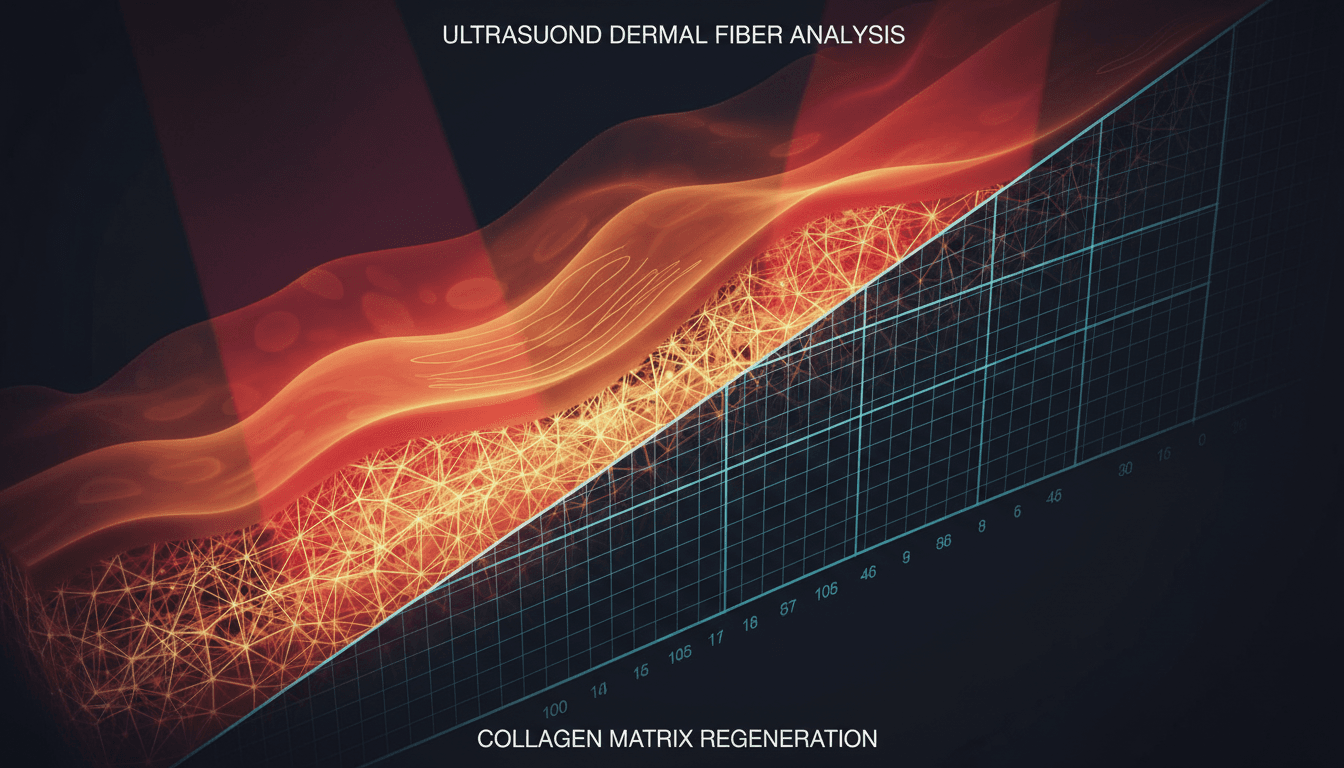
A 2014 trial used ultrasound to measure collagen density changes from red light therapy. The results were structural, not cosmetic.
Red light therapy doesn't blunt inflammation like a drug. It accelerates the body's own resolution process, and the evidence for pain reduction is some of the strongest in photobiomodulation.
Researchers at UT Austin are shining infrared light through people's skulls and measuring real cognitive improvements. The science is newer than skin or pain applications, but the mechanistic logic is hard to argue with.
A controlled trial pitted red light against cryotherapy for post-exercise recovery, and red light won across the board. The combination was worse than red light alone.
Red light therapy for hair growth has FDA-cleared devices, multicenter trials, and results comparable to minoxidil. Without the side effects.
Red light therapy on the thyroid produced some of the largest effect sizes in photobiomodulation research. Then a 2024 study found nothing. Both results make sense.
A UCL neuroscientist found that 3 minutes of red light per week improved declining vision by 17%. The retina's extreme mitochondrial density makes it uniquely responsive to photobiomodulation.
The difference between red light therapy that works and red light therapy that doesn't comes down to four variables most people get wrong.
The science behind red light therapy is real. The consumer market has stretched every fact until it's unrecognizable.
Since 1998, every slice of enriched bread in America contains synthetic folic acid. The policy saved thousands of babies. It also created a problem nobody talks about.
Folic acid and folate get used interchangeably. They're not the same chemical. Your body knows the difference even if your doctor doesn't.
MTHFR variants reduce your ability to convert folic acid into usable folate. Up to 60% of the population has one. Most have never been tested.
The WHO classified night shift work as a probable carcinogen in 2007. The science behind that decision is worse than you think.
The gap between when your body wants to sleep and when your alarm goes off creates a chronic form of jet lag. Most people have it. Almost nobody knows.
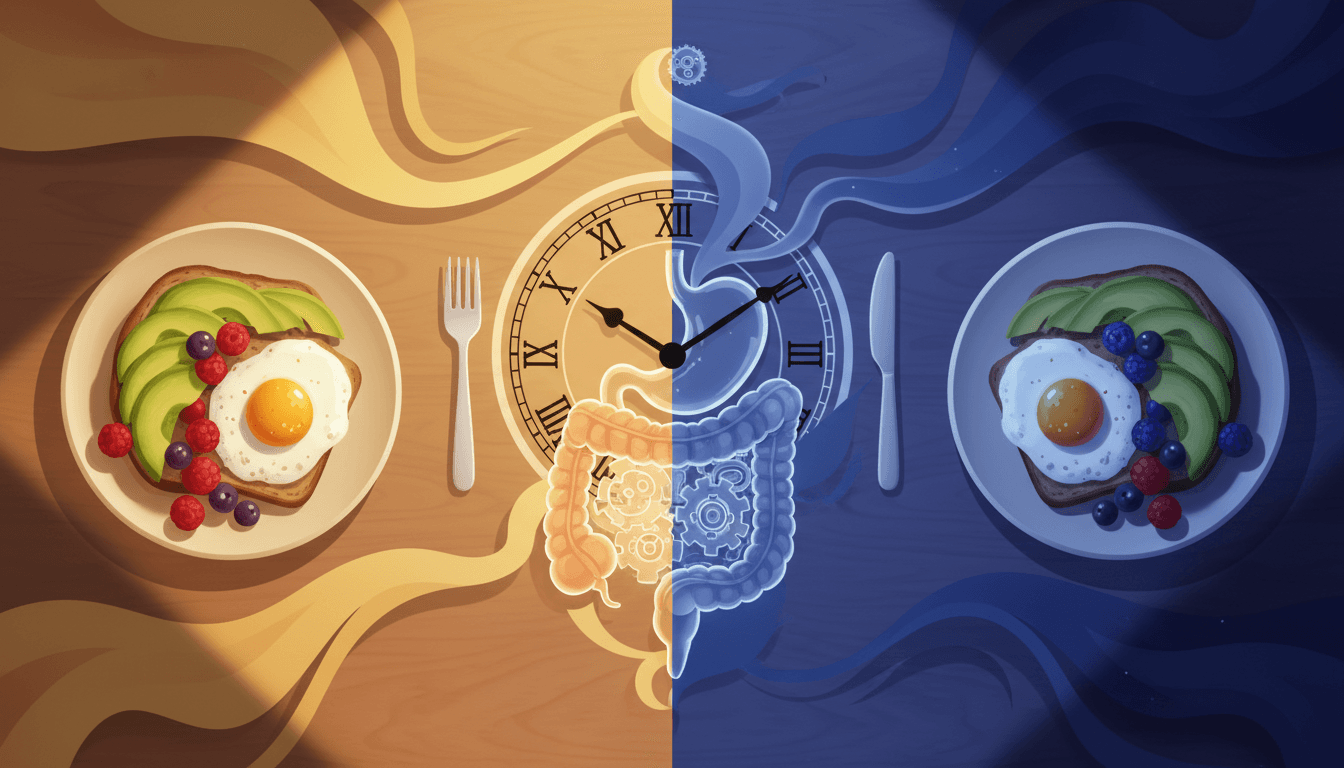
Two groups of mice ate the exact same high-fat diet. Same calories. The only difference was timing. After 18 weeks, the time-restricted group weighed 28% less.
Chronotherapy has shown that identical treatments produce wildly different outcomes depending on when they're administered. The future of medicine isn't just what you take. It's when.
"Two groups faced the exact same stressful situation. One believed stress was harmful. The other believed stress was enhancing.